



The mud pump is the “heart” of the oil drilling operation. Its primary function is to circulate drilling fluid (mud) down the drill string, out through the bit nozzles, and back up the annulus to the surface. This process cools the drill bit, removes rock cuttings, stabilizes the wellbore, and suspends solids. Understanding the working principle and implementing a strict daily maintenance routine are critical to preventing non-productive time (NPT) and ensuring operational safety.
This guide analyzes the mechanics of reciprocating mud pumps and provides actionable maintenance insights for field engineers.
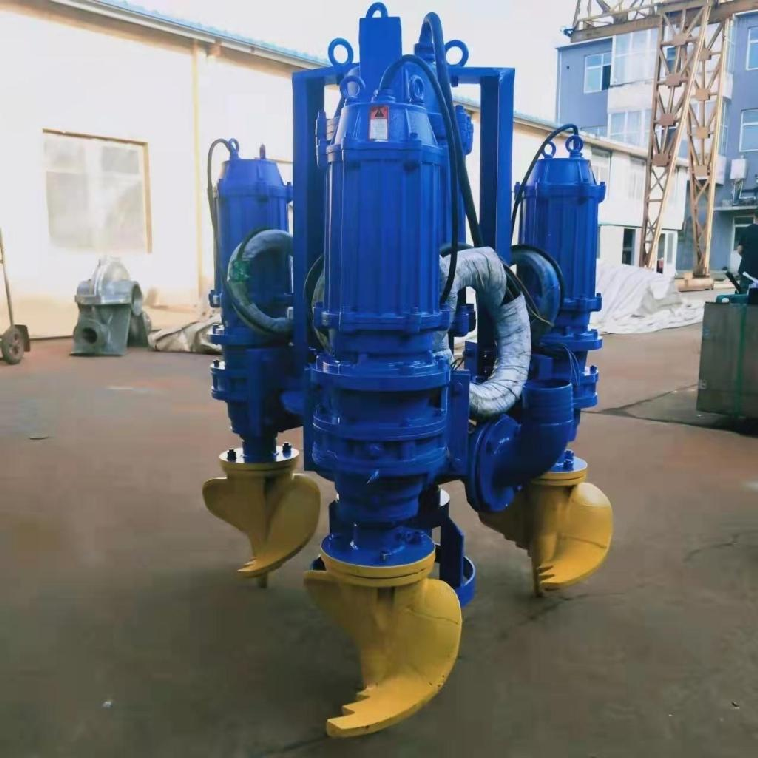
1. Working Principle of Drilling Mud Pumps
Modern drilling rigs predominantly use reciprocating piston/plunger pumps, specifically the triplex (three-cylinder) configuration, due to its smoother flow rate compared to older duplex models.
1.1 Piston Pumps (Triplex)
A triplex mud pump consists of a power end (crankshaft, connecting rods) and a fluid end (liners, pistons, valves).
- Suction Stroke: As the crankshaft rotates, it drives the piston backward via the connecting rod. The piston creates negative pressure inside the cylinder, forcing the suction valve to open and allowing mud to fill the chamber.
- Discharge Stroke: As the crankshaft continues to rotate, it pushes the piston forward. The pressure inside the cylinder increases, closing the suction valve and opening the discharge valve. The mud is then forced into the high-pressure manifold and downhole.
- Flow Characteristics: Because there are three cylinders working in sequence (120 degrees out of phase), the output flow is relatively continuous, though pulsating. Discharge stabilizers are often used to dampen these pulses.
1.2 Plunger Pumps
Plunger pumps operate on a similar reciprocating principle but utilize a plunger with a closely fitted stuffing box seal rather than a piston with flexible cups. They are typically used in high-pressure, low-volume applications (e.g., cementing, acidizing, or deep-well drilling) where sealing integrity against high pressures is paramount.
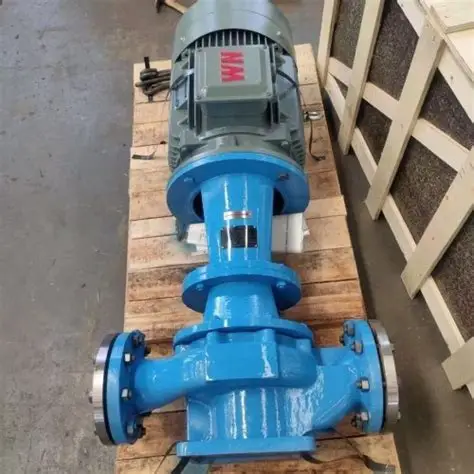
2. Common Failures and Troubleshooting
Based on field service experience, here are five frequent failure points in mud pump assemblies:
2.1 Coupling Misalignment
- Symptom: Abnormal vibration and noise during startup; premature wear on coupling rubber blocks.
- Cause: Improper installation alignment between the motor and pump gearbox.
- Solution: Re-align the units using dial indicators to ensure concentricity within API specifications.
2.2 Balancing Device Failure
- Symptom: Increased axial thrust, overheating of bearings, and rapid wear of the balancing disc or drum.
- Cause: Inability of the balancing mechanism to counteract hydraulic axial forces effectively.
- Solution: Inspect the clearances of the balancing disc/drum. Ensure the balancing line is not choked with debris. Replace worn components immediately to prevent catastrophic shaft damage.
2.3 Mechanical Seal Leakage
- Symptom: Mud leaking from the stuffing box area.
- Cause: Wear of the mechanical seal faces, incorrect spring tension, or insufficient flushing fluid.
- Solution: Replace the mechanical seal assembly. Ensure the seal chamber is flushed with clean water to prevent abrasive solids from damaging the seal faces during pump operation. (Note: Corrected “flipping” to “operation”)
2.4 Pump Shaft Damage
- Symptom: Severe vibration, noise, and eventual seizure.
- Cause: Metal fatigue, bending caused by a stuck piston or overload, or corrosion.
- Solution: Measure shaft runout with a dial indicator. If the bend exceeds 0.06 mm, the shaft must be replaced. Never attempt to straighten a high-speed pump shaft.
2.5 Bearing Overheating
- Symptom: High temperature readings (>75°C) on bearing housings.
- Cause: Insufficient lubrication, contamination of grease/oil, or excessive belt tension pulling on the shaft.
- Solution: Check lubricant levels and quality. Ensure proper ventilation. Adjust belt tension according to manufacturer specifications.
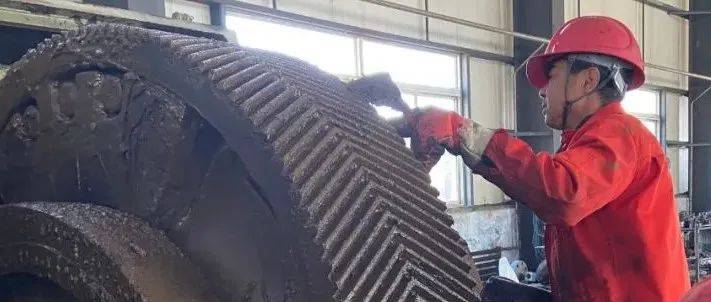
3. Daily Maintenance Checklist
Preventative maintenance is far cheaper than emergency repairs. Follow this schedule:
Pre-Start Inspection
- Lubrication: Verify oil levels in the power end (gearbox) and grease levels in the crosshead and bearings.
- Valve Check: Ensure suction and discharge valves move freely without sticking.
- Foundation: Check bolts for tightness. Loose foundations cause destructive vibration.
- Pressure Gauges: Monitor discharge pressure. Fluctuations often indicate worn valve seats or piston cups.
- Temperature: Regularly check gearbox, bearing, and packing temperatures.
- Leakage: Watch for minor leaks at the stuffing box; adjust the packing gland slightly if necessary (but avoid over-tightening).
- Cleaning: Wash away mud and debris from the pump exterior and the base.
- Drainage: Drain any accumulated water or condensate from the air package or gearbox breather.
- Inspection: Look for cracks in the fluid end modules and check the liner wash for proper flow.
During Operation Monitoring
Post-Shutdown Care
Long-Term Storage
If the pump will be idle for more than 30 days:
- Drain all lubricants and flush with diesel.
- Coat exposed metal surfaces (shaft, studs) with rust-preventative oil.
- Cover the unit to protect it from moisture and dust.
4. Disassembly and Reassembly Notes
When overhauling the pump, pay close attention to the axial clearance of the rotor. If the total axial movement exceeds 0.10 mm, shims must be added behind the thrust bearing to restore preload. Always use calibrated torque wrenches when tightening cylinder head nuts and crosshead guides.
Conclusion
Proper understanding of the mud pump’s working principle and adherence to a rigorous maintenance schedule significantly extend equipment life and reduce costly downtime. At [LANDRILL OIL TOOLS], we specialize in supplying API 7K-compliant mud pumps and spare parts, including liners, pistons, valve assemblies, and fluid ends for major brands like EMSCO, Gardner Denver, and National.
Our technical team provides global support for drilling operations in the Middle East, Central Asia, and beyond. For OEM-compatible parts or technical consultation, contact our engineering department today.
[http://www.landrilloiltools.com]
Contact : Jessie
Mobile/Whatsapp: +0086-18109206861
Email: energy@landrilltools.com
Web: http://www.landrilloiltools.com
Post time: Jul-10-2026


 5-1203,Dahua Industrial Zone, No.2 Yunshui Road,Hi-tech development zone, Xi'an, 710065,China
  86-13609153141

