



In modern oil and gas drilling operations, Downhole Mud Motors (Positive Displacement Motors, PDM) are indispensable tools for directional drilling, horizontal well placement, and complex trajectory control. However, operating in harsh drilling environments—characterized by high temperatures, abrasive formations, high pump pressures, and corrosive drilling fluids—takes a heavy toll on motor components.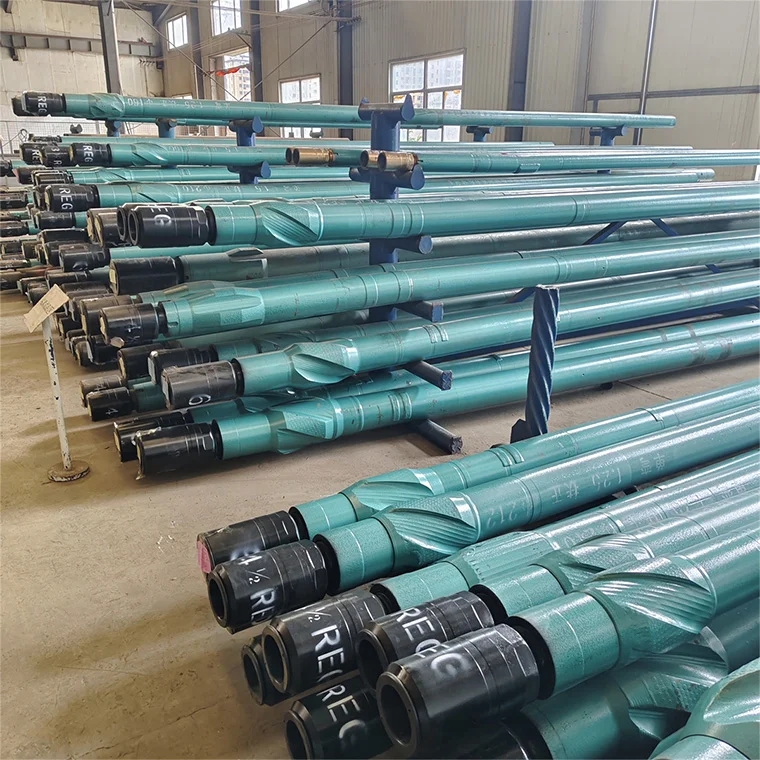
Premature failure of a mud motor leads to costly Non-Productive Time (NPT) and unexpected rig downtime. To maximize your return on investment and ensure smooth operations, implementing rigorous operational and maintenance best practices is essential.
1. Optimize Drilling Parameters and Fluid Compatibility
The lifespan of a mud motor heavily depends on the interaction between the power section (rotor and stator elastomer) and the circulating fluid.
- Control WOB and Torque: Avoid excessive Weight on Bit (WOB) and high differential pressure, which can accelerate the wear of the rubber stator and cause chunking.
- Drilling Fluid Management: Ensure drilling muds are properly filtered to minimize abrasive solid particles. In addition, verify that the elastomer compound of the stator is chemically compatible with the oil-based or synthetic-based muds being used to prevent swelling or degradation.
2. Proper Surface Handling and Storage Practices
Many mud motor failures actually originate before the tool even goes down the hole, often due to improper surface storage and handling.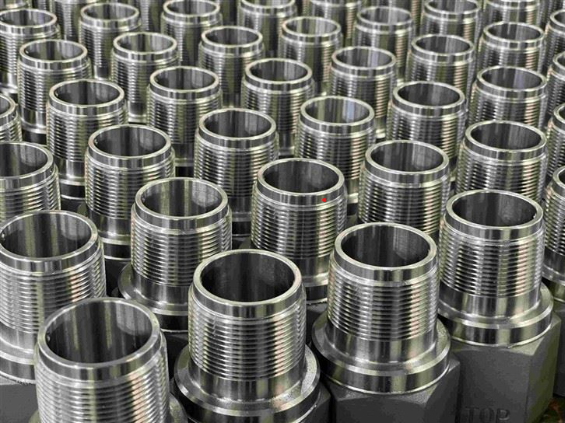
- Stator Protection: Elastomers are sensitive to extreme temperatures, UV light, and ozone. Store spare stators in a cool, dry, and shaded indoor environment, ideally resting horizontally on flat supports to prevent warping.
- Thread Care and Inspection: Always use high-quality thread compounds and protective thread protectors during transit and rig-floor handling. Regularly inspect critical components—including connecting rods, drive shafts, and associated crossover subs (XO) or circulating sleeves—for signs of fatigue or thread damage before running in hole (RIH).
3. Implement Strict Pre-Job and Post-Job Inspections
A proactive inspection routine catches minor wear before it turns into a catastrophic downhole failure.
- Pre-Job Check: Verify that the flow rate, pressure drop, and bit pressure ratings align with the specific downhole conditions and wellbore profile.
- Post-Job Flush and Wash: Immediately after pulling out of hole (POOH), thoroughly flush the motor with clean water or appropriate solvents to remove residual drilling mud, cuttings, and corrosive chemicals. Inspect the stator profile and rotor wear patterns to diagnose downhole anomalies early.
Conclusion
Maximizing the operational life of mud motors is a continuous process that combines careful equipment handling, precise parameter control during drilling, and high-quality auxiliary components (such as robust drill string accessories and circulating subs). By adopting these best practices, drilling contractors can significantly reduce tool failure rates, minimize NPT, and achieve greater drilling efficiency.
Media Contact:Jessie
Email: energy@landrilltools.com
Website:http://www.landrilloiltools.com
Post time: Oct-29-2026


 5-1203,Dahua Industrial Zone, No.2 Yunshui Road,Hi-tech development zone, Xi'an, 710065,China
 86-13609153141


