



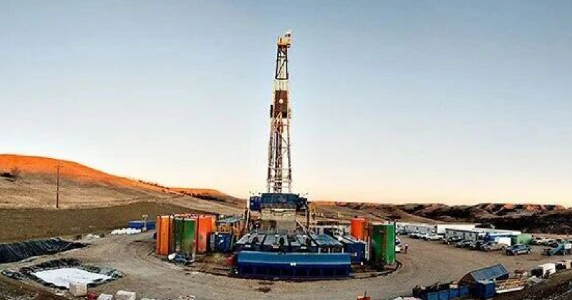
Directional drilling technology is an advanced drilling method that employs specialised downhole tools and measurement control techniques to extend the drilling trajectory along a pre-designed (non-vertical) path to the target formation. The essence of directional drilling lies in actively controlling the drilling trajectory. Its core logic involves guiding the drill bit to the target point through a closed-loop process of ‘measurement – assessment – adjustment’. This technique overcomes the limitations of traditional vertical drilling, which could only proceed along a plumb line, enabling the ‘precise location and extraction’ of underground resources. It stands as one of the core technologies in fields such as oil and gas exploration and development, geological engineering, and mineral extraction.
Directional drilling technology stands as a pivotal tool in modern energy development and geological engineering. Its advancement directly determines the capability and efficiency of underground resource exploitation. Moving forward, it will play an increasingly vital role in deep-layer resource development, intelligent upgrading, and cross-sector applications.
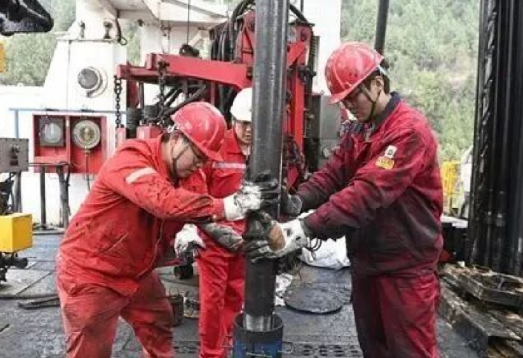
Drill pipes serve as the core tubular components in drilling operations (including directional drilling, vertical well drilling, etc.), transmitting power, conveying drilling fluid, and connecting downhole tools. As principal constituents of the drill string (comprising drill pipes, drill collars, drill bits, etc.), they directly impact drilling efficiency, wellbore quality, and operational safety.
The core function of drill pipes is to serve as a link between upper and lower sections. They connect upward to the surface drilling rig, receiving torque and drilling pressure from the rig; downward to connect with downhole tools such as drill collars and bits, transmitting power to the bit for rock penetration. Simultaneously, their hollow structure conveys drilling fluid (mud) to cool the bit, lubricate the drill string, and transport cuttings from the wellbore to the surface.
Drill pipes comprise two sections: the body and the joint. These are joined via friction welding, necessitating high strength and superior sealing properties to prevent drilling fluid leakage or uncontrolled downhole pressure.
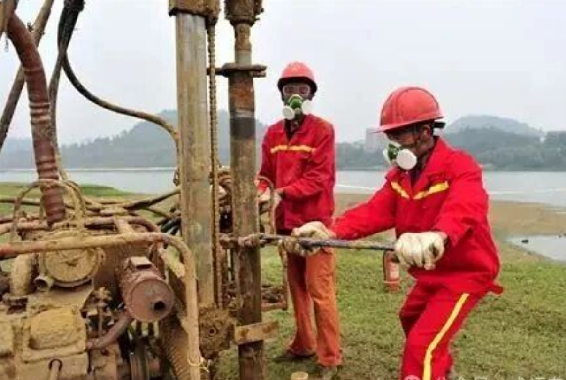
Drill cuttings constitute a mixture of solid particles generated when the drill bit fractures subsurface rock during the drilling process. They represent the direct by-product of drilling operations and serve as a core focus for geological evaluation, wellbore safety control, and environmental management. In essence, drill cuttings are ‘fractured rock debris’ generated concurrently with the drilling process. Not only do they carry critical information about subsurface strata, but their processing efficiency and condition directly impact the safety and economics of drilling operations.
Its primary constituents comprise formation rocks (such as sandstone, mudstone, limestone, granite, etc.), potentially mixed with minor quantities of drilling fluid additives (e.g., clays, polymers) and metallic debris (e.g., drill bit wear particles, drill pipe corrosion products). Drilling cuttings are not mere ‘waste material’ but rather serve as vital ‘information carriers’ and ‘operational condition indicators’ within drilling operations.
Should cuttings fail to be promptly returned from the wellbore to surface, they may accumulate within the borehole, potentially triggering severe safety incidents. Consequently, their ‘transportation and removal’ constitutes one of the core functions of drilling fluids. The characteristics of cuttings—such as particle size and degree of fragmentation—can provide reverse-engineered insights into the rationality of drilling parameters, thereby aiding in the optimisation of operational efficiency. Upon being brought to surface with the drilling fluid, cuttings undergo three core stages: separation, analysis, and disposal, forming a complete processing cycle.
Contact :Jessie Zhou
Mobile/Whatsapp:+0086-18109206861
Email: energy@landrilltools.com
Post time: Feb-12-2026

 5-1203 Dahua Digital Industrial Park Tiangu 6th Road,Hi-tech development Zone Xi'an, China
  86-13609153141

